
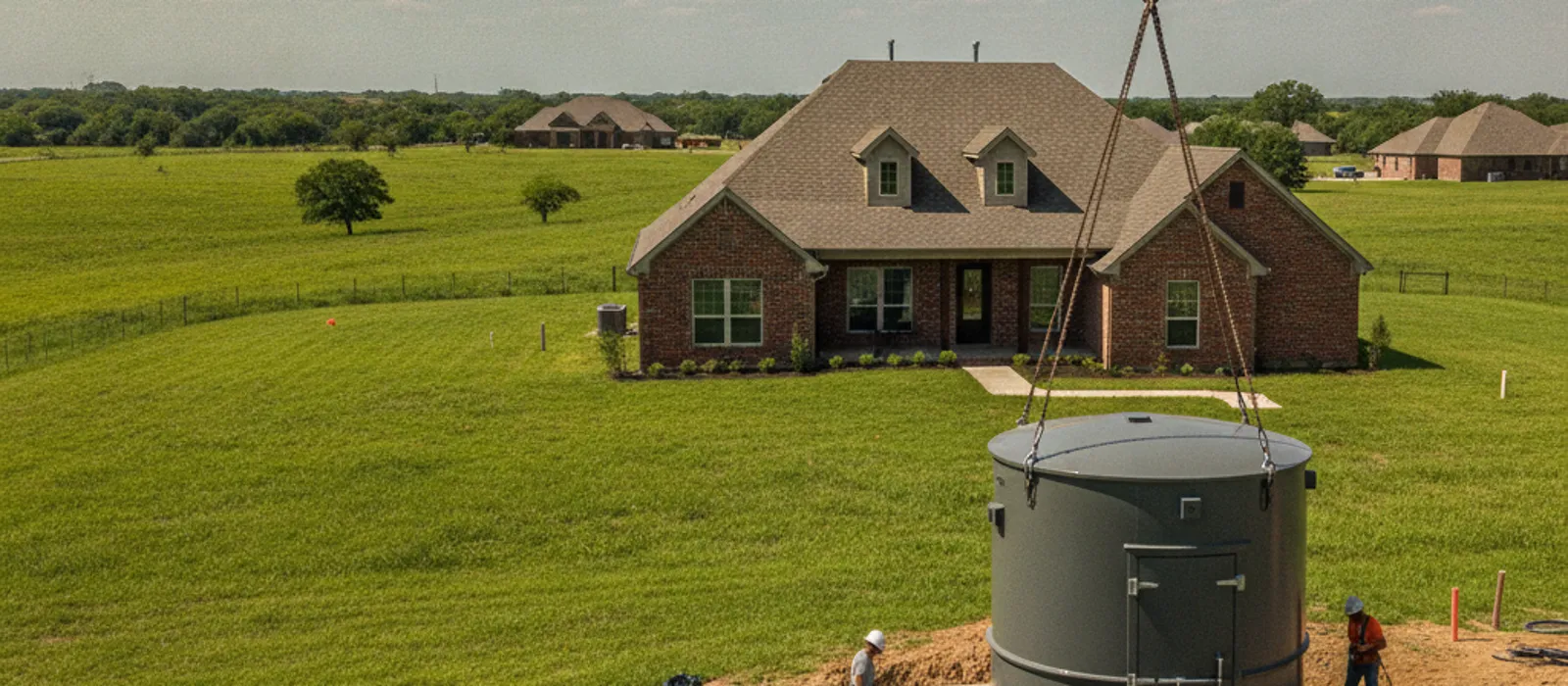
When an EF5 tornado barrels through, with winds exceeding 200 miles per hour, it doesn’t just damage homes; it obliterates them. In such an extreme event, the difference between life and tragedy often comes down to the integrity of your storm shelter. For residents across Sherman, Grayson, Fannin, and Cooke counties, understanding what makes an EF5 tornado shelter capable of standing against nature’s most violent storms is not just educational, it’s essential for survival.
Texoma Storm Shelters specializes in installing robust, FEMA-compliant safe rooms designed to offer absolute protection when it matters most. We build shelters that meet stringent national standards, ensuring your family has a secure refuge from the most powerful tornadoes.
Understanding the Unparalleled Threat of an EF5 Tornado
An EF5 tornado represents the pinnacle of atmospheric violence on the Enhanced Fujita (EF) Scale, with wind speeds estimated at 200 mph or greater. At this intensity, the destruction is catastrophic. Well-built frame houses are swept clean from their foundations, and even reinforced concrete structures can suffer significant damage. The sheer force of an EF5 tornado can turn ordinary objects into deadly projectiles, capable of piercing conventional building materials.
In North Texas, we know the reality of severe weather. While EF5 tornadoes are rare, the potential for such an event demands the highest level of preparedness. Standard residential construction simply cannot withstand these forces. That’s why specialized engineering and construction, guided by strict safety standards, are non-negotiable for any structure intended to protect against an EF5 event. Your safety isn’t something to gamble on.
The Core Standards: FEMA P-320 and ICC 500 for EF5 Tornado Shelters
Building an EF5 tornado shelter isn’t about guesswork; it’s about adherence to rigorous, scientifically-backed standards. The primary guidelines for safe room construction are outlined in FEMA P-320 (Residential Safe Rooms) and ICC 500 (Standard for the Design and Construction of Storm Shelters). These documents provide the blueprint for shelters designed to withstand the extreme forces of an EF5 tornado.
A critical aspect of these standards is projectile resistance. Shelters must be able to resist the impact of a 15-pound 2x4 lumber missile traveling at 100 mph, replicating the danger of flying debris. This isn’t just a theoretical test; it’s a real-world simulation of what happens when a tornado rips apart a home or building. Beyond projectile impact, these standards dictate structural integrity, anchorage requirements, ventilation, and emergency egress, ensuring the shelter remains intact and habitable during and after a storm. Texoma Storm Shelters ensures every installation meets or exceeds these vital specifications, giving you peace of mind.
Engineering for Extreme Wind Loads and Debris Impact
Designing an EF5 tornado shelter requires a deep understanding of structural engineering and material science. The goal is to create an impenetrable box that can deflect, absorb, and withstand immense pressures and impacts.
-
Robust Materials: Shelters are typically constructed from heavy-gauge steel or reinforced concrete. Steel safe rooms use thick plates, often 1/4 inch or greater, with internal framing and continuous, certified welding. Concrete shelters utilize high-strength concrete poured over a lattice of steel rebar, creating an incredibly dense and resilient shell. Both materials offer superior resistance to wind pressure and projectile penetration compared to standard building materials.
-
Anchoring Systems: The strongest walls and roof are useless if the shelter isn’t firmly anchored to the ground or foundation. FEMA and ICC 500 standards specify robust anchoring systems designed to resist uplift and overturning forces. This often involves heavy-duty anchor bolts embedded deep into a reinforced concrete slab or foundation, ensuring the shelter stays put even when everything around it is swept away. Proper anchoring is paramount for both above-ground and underground units.
-
Door Design and Integrity: The door is often the most vulnerable point of any shelter. For an EF5 tornado shelter, doors are built from heavy-gauge steel, reinforced with internal bracing, and feature multiple locking points that secure the door frame at several locations. Hinges are heavy-duty and often concealed or protected to prevent shearing. Doors must also be designed to open inward to prevent debris from blocking the exit, or outward with specific protective features.
-
Ventilation and Egress: While security is key, habitability and safety within the shelter are also critical. Shelters must have adequate ventilation to prevent suffocation, even if power is lost. Vents are designed with baffles or grates to prevent debris entry while allowing airflow. Emergency egress plans, such as removable internal panels or secondary exits, are also considered to ensure occupants can exit if the main door is blocked.
Texoma Storm Shelters meticulously designs and installs each component to these exacting standards. If you’re considering a shelter, contact us at (903) 884-7210 for a free written estimate. We’re ready to discuss your options and demonstrate our commitment to your safety.
Real-World Protection: EF5 Tornado Shelter Examples in North Texas
Across Grayson, Fannin, and Cooke counties, families and businesses are investing in proven protection. Here are a few examples of how Texoma Storm Shelters delivers peace of mind:
-
Sherman, TX: Underground Shelter for a Family Home: After experiencing a close call with a powerful storm cell that passed near their neighborhood, a family in Sherman decided to install an underground storm shelter. They chose a 6’x8’ steel underground unit, which cost them approximately $6,200, including excavation and installation. This unit, designed to meet FEMA P-320 guidelines, provides secure refuge for up to 10 people. They appreciate the discreet nature of the shelter, which is installed in their backyard and accessed via a sturdy, gas-shock-assisted door. This type of shelter is a popular choice for homeowners looking for unobtrusive, yet highly secure, protection. Learn more about our underground storm shelters.
-
Denison, TX: Above-Ground Safe Room with Rebate Savings: A couple in Denison opted for an above-ground safe room installed in their garage. This 4’x6’ steel safe room, bolted directly to their existing concrete slab, cost them around $8,500. They were able to take advantage of a local rebate program, which provided a $3,000 rebate, effectively reducing their out-of-pocket expense to $5,500. This unit provides immediate access during a storm and is rated for EF5 protection, including ballistic-grade steel and a multi-point locking door. The convenience and strong security features made this an ideal choice for their property. Explore our above-ground safe rooms.
-
Van Alstyne, TX: Garage Floor Shelter for Accessibility: In Van Alstyne, a retired couple sought a shelter that was both highly secure and easily accessible. They chose a garage floor shelter, installed flush with their garage floor. This 4’x6’ unit cost approximately $5,800. Its design allows them to simply lift a heavy steel lid and descend a short set of stairs, making it easy to enter quickly during a warning. This shelter provides protection from strong winds and flying debris, offering peace of mind during the intense spring storm season common in this part of North Texas. See options for garage floor shelters.
These examples highlight our commitment to providing tailored, compliant solutions for North Texas residents. We understand the specific needs and concerns of our communities and offer free written estimates for all our services.
Choosing Your EF5 Tornado Shelter: Above-Ground vs. Underground
When deciding on an EF5 tornado shelter, one of the most common questions is whether to choose an above-ground safe room or an underground storm shelter. Both options, when properly built to FEMA and ICC 500 standards, offer excellent protection against extreme winds. However, they each have distinct advantages and considerations.
Above-Ground Safe Rooms: These shelters are typically constructed from heavy-gauge steel or reinforced concrete and are installed inside an existing structure, often a garage or a dedicated room. They are anchored directly to the concrete slab or foundation.
- Pros: Easy and quick access, especially for individuals with mobility issues. Can double as a secure storage area or panic room. No risk of water intrusion from groundwater.
- Cons: Takes up valuable floor space. Requires a robust foundation for anchoring. Can be more visible than underground options.
Underground Storm Shelters: These units are buried completely underground, usually in a backyard or beneath a patio, with access via a staircase and a sturdy top hatch.
- Pros: Out of sight and doesn’t consume interior living space. Offers natural insulation from temperature extremes and sound. Provides excellent protection against flying debris as it’s below ground level.
- Cons: Requires excavation and potentially more complex installation. Can be less accessible for those with mobility challenges. Potential for water intrusion if not properly sealed and drained.
Here’s a comparison of key features:
| Feature | Above-Ground Safe Room | Underground Storm Shelter |
|---|---|---|
| Accessibility | Excellent, easy walk-in access | Good, requires stairs, may be challenging for some |
| Space Usage | Uses interior floor space (e.g., garage) | Uses exterior yard space, frees up interior |
| Installation Time | Generally quicker (1-2 days) | Longer (2-3 days), involves excavation |
| Cost Range (Typical) | $6,000 - $12,000+ (depending on size/features) | $4,500 - $9,000+ (depending on size/material) |
| Water Intrusion Risk | Very low | Low, but requires proper drainage/sealing to prevent pooling |
| Protection Level (EF5) | Meets FEMA P-320/ICC 500 when properly constructed | Meets FEMA P-320/ICC 500 when properly constructed |
The best choice for your property often depends on your family’s specific needs, your home’s layout, and your budget. We’re happy to walk you through the specifics for your situation. You can find more details on our storm shelter cost page.
Ensuring Compliance and Installation for Your Tornado Safe Room
The strength of an EF5 tornado shelter isn’t just in its design; it’s equally in its installation. Even the highest-quality materials won’t protect you if the shelter isn’t anchored correctly or if shortcuts are taken during construction. That’s why choosing a licensed and insured installer like Texoma Storm Shelters is non-negotiable.
We are licensed and insured to perform installations across North Texas, including Grayson, Fannin, and Cooke counties. Our team understands the local soil conditions, permitting requirements, and building codes that ensure a safe and compliant installation. We always provide free written estimates, so you know the full cost upfront without hidden fees. We also offer guidance on potential rebates or financing options that might be available.
Beyond installation, proper maintenance and occasional inspections ensure your shelter remains ready. Check the door hinges and locking mechanisms annually. Ensure ventilation openings are clear. If you have an underground shelter, verify that drainage systems are working and that no water is pooling. A well-maintained shelter will serve your family for decades. For more tips, check out our blog on storm shelter maintenance tips.
When severe weather threatens, having a certified, dependable storm shelter is a powerful reassurance. Don’t wait for a direct hit to consider your family’s safety. Texoma Storm Shelters provides an emergency line for severe weather and storm shelter installation. Call us at (903) 884-7210 or email info@texomatornadoshelters.com to discuss your storm shelter needs.
Frequently Asked Questions
What specific wind speeds can an EF5 tornado shelter withstand?
An EF5 tornado shelter, built to FEMA P-320 or ICC 500 standards, is designed to withstand wind speeds of 200 miles per hour or greater. This rating means the shelter can endure the most extreme forces of any tornado on the Enhanced Fujita scale, providing a safe haven even when surrounding structures are completely destroyed.
Are there any rebates or grants available for installing an EF5 tornado shelter in North Texas?
Yes, residents in Grayson, Fannin, and Cooke counties may be eligible for various local or federal rebate and grant programs. These programs often aim to encourage tornado preparedness. Texoma Storm Shelters can help guide you through the application process and identify potential opportunities, such as the Grayson County Storm Shelter Rebate Program, to offset your installation costs.
How long does it take to install an EF5 tornado shelter?
The installation time for an EF5 tornado shelter varies by type and site conditions. An above-ground safe room in a garage can often be installed within one to two days. Underground shelters, which require excavation, typically take two to three days. Our team works efficiently while maintaining strict adherence to safety and quality standards.
What is the typical cost range for an EF5 tornado shelter?
The cost of an EF5 tornado shelter can range from approximately $4,500 for a smaller underground unit to $12,000 or more for larger, customized above-ground safe rooms. Factors influencing the price include the shelter’s size, material (steel or concrete), type (above-ground, underground, garage floor), and any specific features or site preparation needed. We provide free written estimates.