
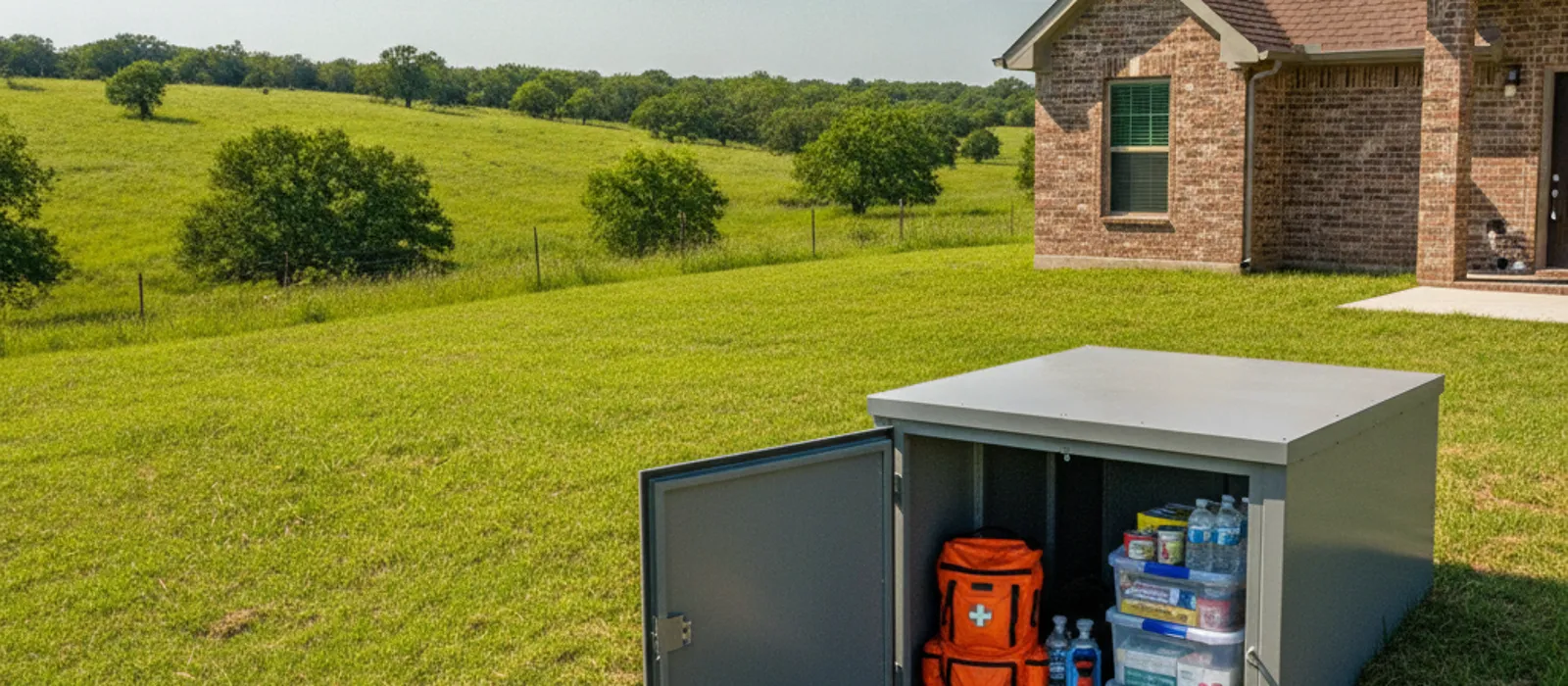
When a tornado warning blares across North Texas, you have minutes, not hours, to seek safety. Having a robust storm shelter emergency kit contents ready is not just a recommendation; it’s a critical component of your family’s survival plan. While your Texoma Storm Shelter provides certified protection, the moments immediately following a severe weather event can be disorienting and challenging. Power might be out, roads might be impassable, and communication lines could be down. A well-stocked kit ensures you have the essentials to sustain your family comfortably and safely until emergency services can reach you, or until conditions improve enough for you to emerge.
At Texoma Storm Shelters, we understand that true preparedness extends beyond installation. It includes equipping you with the knowledge and resources to handle the aftermath. This comprehensive guide will detail the essential items for your storm shelter emergency kit, drawing on FEMA guidelines and practical considerations specific to our North Texas climate.
The Core Essentials of Your Storm Shelter Emergency Kit
Building an effective emergency kit starts with the absolute necessities for survival and basic comfort. Think about what you would need if you were cut off from all outside resources for at least 72 hours. This section focuses on the non-negotiable items that should form the foundation of your storm shelter emergency kit contents.
Water: The Most Critical Resource
Water is paramount for survival. Dehydration can set in quickly, especially in stressful situations.
- Quantity: Plan for at least one gallon of water per person, per day, for a minimum of three days. This includes water for drinking and basic sanitation. For a family of four, that means at least 12 gallons. Consider storing extra for pets.
- Storage: Use commercially bottled water, which has a long shelf life. Rotate your supply every six months to a year. Keep it in sturdy, easily accessible containers within your storm shelter or immediately adjacent to it.
- Purification: Include water purification tablets or a portable water filter. While you hope not to need them, they are invaluable if your primary water supply runs out or becomes contaminated.
Food: Non-Perishable and Calorie-Dense
Choose foods that require no cooking, no refrigeration, and minimal water to prepare.
- Types: Energy bars, dried fruits, nuts, ready-to-eat canned goods (with a manual can opener), and MREs (Meals Ready-to-Eat) are excellent choices. Prioritize high-calorie, nutritious options.
- Rotation: Check expiration dates every six months. Replace items as needed to ensure freshness and palatability.
- Allergies/Dietary Needs: Remember to pack specific foods for family members with allergies, diabetes, or other dietary requirements, as well as infant formula if applicable.
First Aid and Personal Medications
A well-stocked first aid kit is crucial for treating minor injuries and managing existing medical conditions.
- Standard Kit: Include bandages, antiseptic wipes, gauze, medical tape, pain relievers, allergy medication, and any over-the-counter remedies you might need.
- Prescription Medications: Store at least a 7-day supply of all necessary prescription medications in waterproof containers. Include a list of medications, dosages, and prescribing doctors.
- Personal Hygiene: Pack travel-sized toiletries like soap, hand sanitizer, toothbrushes, toothpaste, and feminine hygiene products. These contribute significantly to comfort and morale during a stressful event.
Lighting and Communication Tools
In a power outage, reliable light and communication are vital.
- Flashlights: Pack multiple battery-powered flashlights or headlamps. Include extra batteries. LED flashlights are preferred for their efficiency and brightness.
- Radio: A NOAA weather radio with tone alert and battery or hand-crank operation is indispensable. It will provide critical updates even when cell towers are down.
- Power Banks: Portable power banks for charging cell phones are important, but remember that cellular service may be disrupted. Keep them charged.
- Whistle: A simple whistle can be used to signal for help if you are trapped or need to alert rescuers to your location.
Having these core items organized and ready means you can focus on getting your family safely into your shelter when a warning is issued. If you’re considering enhancing your home’s safety with a certified storm shelter, don’t hesitate to reach out. For a free, no-obligation estimate on an underground or above-ground safe room, call Texoma Storm Shelters today at (903) 884-7210 or email us at info@texomatornadoshelters.com. We’re here to provide peace of mind for your North Texas property.
Beyond the Basics: Tailoring Your Storm Shelter Emergency Kit Contents for North Texas
While the core essentials cover survival, a truly comprehensive storm shelter emergency kit contents list accounts for comfort, information, and specific local needs. Texoma’s weather can be unpredictable, and being prepared for more than just the immediate aftermath is wise.
Important Documents and Cash
These items can be lifesavers for recovery efforts.
- Waterproof Bag: Store copies of vital documents in a waterproof, resealable bag. This includes identification (driver’s licenses, passports), birth certificates, marriage licenses, social security cards, insurance policies (homeowners, auto, health), property deeds, and financial account information.
- Cash: Keep a supply of small denomination bills. ATMs and credit card machines may not work during power outages.
Tools and Utility Shut-Off
Basic tools can help you manage minor issues or signal for help.
- Multi-tool: A sturdy multi-tool with pliers, screwdrivers, and a knife is incredibly versatile.
- Wrench: A wrench specifically designed to shut off utilities (gas and water) can prevent further damage or hazards if lines are compromised. Know where your shut-off valves are located outside your shelter.
- Duct Tape: Always useful for quick repairs.
Sanitation and Waste Management
Maintaining hygiene is important for health and morale.
- Toilet Paper and Wet Wipes: Essential for personal cleanliness.
- Heavy-Duty Trash Bags: Can be used for waste disposal, temporary rain protection, or even as a makeshift ground cover.
- Bucket with Lid: In underground shelters, a small bucket with a tight-fitting lid can serve as an emergency toilet, especially when lined with trash bags. Include kitty litter or a similar absorbent for odor control.
Comfort Items and Entertainment
Especially for extended stays, comfort items can reduce stress.
- Blankets/Sleeping Bags: Mylar emergency blankets are compact and provide warmth, but a small, lightweight blanket or sleeping bag can offer more comfort.
- Books/Games: For children and adults, quiet activities like books, playing cards, or small, non-electronic games can help pass the time and reduce anxiety.
- Comfort Toys: A favorite stuffed animal or toy can be incredibly reassuring for a child.
Pet Supplies
Don’t forget your furry family members.
- Food and Water: Pack at least a 3-day supply of pet food and water, along with collapsible bowls.
- Leash and Carrier: Essential for managing pets and for safe evacuation if necessary.
- Medications: Any prescription medications your pet needs.
- Comfort Item: A favorite toy or blanket can help reduce stress for your pet.
Assembling Your Kit: Practical Considerations and Storage
The effectiveness of your emergency kit hinges not just on its contents, but also on how it’s assembled and stored. FEMA P-320 guidelines for safe rooms emphasize accessibility and readiness, principles that apply directly to your emergency kit.
- Container Choice: Use sturdy, waterproof containers, such as plastic bins with tight-fitting lids or durable duffel bags. Label them clearly with their contents (e.g., “Food,” “Water,” “First Aid”) for quick identification.
- Accessibility: Store your kit inside your storm shelter or in a designated, easily accessible location just outside the shelter entrance. The goal is to grab it quickly as you enter the shelter. For instance, a family in Sherman with a new /garage-floor-shelters/ unit might store their kit in a labeled bin right next to the shelter lid, ensuring it’s the first thing they grab.
- Weight and Portability: While comprehensive, ensure the kit is manageable enough for one person to carry, or distribute items among multiple bags.
- Rotation Schedule: Set a reminder (e.g., twice a year, during daylight saving time changes) to check expiration dates on food, water, and medications. Replace batteries in flashlights and radios. This ensures your kit is always fresh and functional. You can find more tips on keeping your shelter ready in our article on /blog/storm-shelter-maintenance-tips/.
Cost-Effective Planning for Your Storm Shelter Emergency Kit
Building a comprehensive storm shelter emergency kit doesn’t have to break the bank. Many essential items can be purchased incrementally, or you might already have them around the house. The investment is minimal compared to the peace of mind and safety it provides. Here’s a breakdown of typical costs for essential kit items.
| Category | Item | Quantity (per person, 3 days) | Estimated Cost Range | Notes |
|---|---|---|---|---|
| Water | Bottled Water | 1 gallon/day | $15 - $25 | Bulk purchase saves money. |
| Food | Energy Bars/Canned Goods | 3 days supply | $30 - $60 | Look for long shelf-life options. |
| First Aid | Pre-packaged Kit | 1 per family | $20 - $50 | Supplement with personal meds. |
| Light | LED Flashlight & Batteries | 1-2 per family | $10 - $20 | Consider hand-crank options. |
| Communication | NOAA Weather Radio | 1 per family | $25 - $40 | Essential for alerts. |
| Power | Portable Power Bank | 1 per family | $20 - $50 | Keep charged. |
| Sanitation | Wipes, Hand Sanitizer, Bags | 1 pack | $10 - $20 | Hygiene is important. |
| Comfort | Mylar Blankets | 1 per person | $5 - $10 | Compact and warm. |
| Documents | Waterproof Pouch | 1 per family | $5 - $15 | Copies of vital papers. |
| Tools | Multi-tool, Wrench | 1 per family | $15 - $30 | Utility shut-off. |
| Miscellaneous | Whistle, Dust Masks | 1 per person | $5 - $10 | Signaling and air quality. |
| Total Estimated Cost | $160 - $320 | For a basic kit for 1-2 people. |
This table provides a general idea, and costs can vary based on brand, quantity, and sales. Remember, many items like flashlights, blankets, and basic first aid supplies might already be in your home. The key is to consolidate them into a dedicated kit.
Local Preparedness: Real-World Scenarios in Texoma
In North Texas, severe weather can develop rapidly, leaving little time for preparation. Having your kit ready and knowing your shelter plan is crucial. Our local communities, from Sherman to Gunter, are no strangers to intense storms.
Consider the experience of a family in Van Alstyne during the May 2024 severe weather outbreak. They had recently invested in an /above-ground-safe-rooms/ installation, costing around $6,200, which met ICC-500 standards. When the tornado warning hit, they quickly gathered their pre-packed emergency kit – which included bottled water, snack bars, a NOAA radio, and comfort items for their children – and moved into their safe room. The radio provided critical updates, and the kit ensured they had everything they needed for the two hours they spent sheltered, even after their neighborhood experienced significant tree damage and a temporary power outage. Their preparedness meant they focused on safety, not scrambling for supplies.
Another example is a homeowner in Denison who utilized the Grayson County storm shelter rebate program, saving approximately $3,000 on their /underground-storm-shelters/ installation. They proactively assembled their storm shelter emergency kit contents, including extra pet food and a waterproof bag for important documents, after seeing the devastation from a tornado in a neighboring county. When a severe thunderstorm with straight-line winds caused localized flooding and power outages, their shelter provided protection, and their kit ensured they had essential supplies, especially a hand-crank flashlight and radio, during the dark and uncertain night. This foresight proved invaluable.
Even in smaller communities like Pottsboro, where rapid storm development is common, residents emphasize readiness. A family there, after installing their storm shelter for around $4,500, realized the importance of a complete kit. They packed a specific bag with a week’s worth of medication for an elderly family member, knowing that pharmacies might be inaccessible after a major event. This personalized approach to their kit ensured critical needs were met.
These examples underscore that a storm shelter is an investment in life safety, and a complete emergency kit is its indispensable partner. It’s about having everything you need, precisely when you need it, without delay. If you’re ready to secure your family’s safety with a certified storm shelter, Texoma Storm Shelters offers free written estimates and expert installation throughout Grayson, Fannin, and Cooke counties. Contact us today at info@texomatornadoshelters.com to discuss your options.
Maintaining and Updating Your Storm Shelter Emergency Kit
An emergency kit is only as good as its contents’ readiness. Regular maintenance is key to ensuring everything is functional and up-to-date when a crisis strikes.
- Bi-Annual Review: Make it a habit to review your storm shelter emergency kit contents at least twice a year. A good time to do this is when you change your clocks for daylight saving time.
- Check Expiration Dates: Go through all food, water, and medication. Replace anything that is expired or nearing its expiration date. Consider donating non-expired, unwanted items to a food bank.
- Battery Check: Test flashlights and radios. Replace all batteries annually, even if they seem to be working. Batteries can lose power over time, even when not in use.
- Personal Needs Update: As family needs change (e.g., new baby, medical diagnoses, growth of children), update your kit accordingly. Ensure clothing sizes for children are appropriate, and medical supplies are current.
- Seasonal Adjustments: While Texoma experiences all four seasons, consider adding specific items depending on the time of year. For instance, extra blankets in winter or additional water in summer.
- Practice Drills: Periodically, practice getting into your storm shelter with your kit. This helps identify any logistical challenges and familiarizes everyone with the process. Knowing how long it takes and what to expect reduces panic during an actual emergency. For more on preparing for severe weather, see our /blog/storm-shelter-prep/ article.
Frequently Asked Questions
### What is the most important item to include in my storm shelter emergency kit?
Without a doubt, water is the most critical item. The FEMA P-320 guidelines emphasize storing at least one gallon of water per person, per day, for a minimum of three days. Dehydration can quickly become a serious threat, and having a reliable water supply is essential for survival and maintaining health during and after an emergency.
### How often should I check and replenish my emergency kit supplies?
You should check your storm shelter emergency kit contents at least every six months. A simple method is to do it when you change your clocks for daylight saving time. This ensures food and water haven’t expired, batteries are fresh, and any prescription medications are up-to-date, making your kit reliable when you need it most.
### Should I include cash in my storm shelter emergency kit?
Yes, including a supply of small denomination cash is highly recommended. During widespread power outages, credit card machines and ATMs may not be functional. Having cash on hand can be essential for purchasing necessities like gas, food, or water from vendors who may only accept cash in a crisis situation.
### Can Texoma Storm Shelters help me understand local rebate programs for my shelter installation?
Absolutely. Texoma Storm Shelters provides transparent guidance on potential rebate programs, such as the Grayson County storm shelter rebate. We can help you understand the eligibility requirements and application process to potentially reduce the cost of your certified storm shelter installation. Visit our /blog/grayson-county-storm-shelter-rebate/ for more information or contact us directly.