
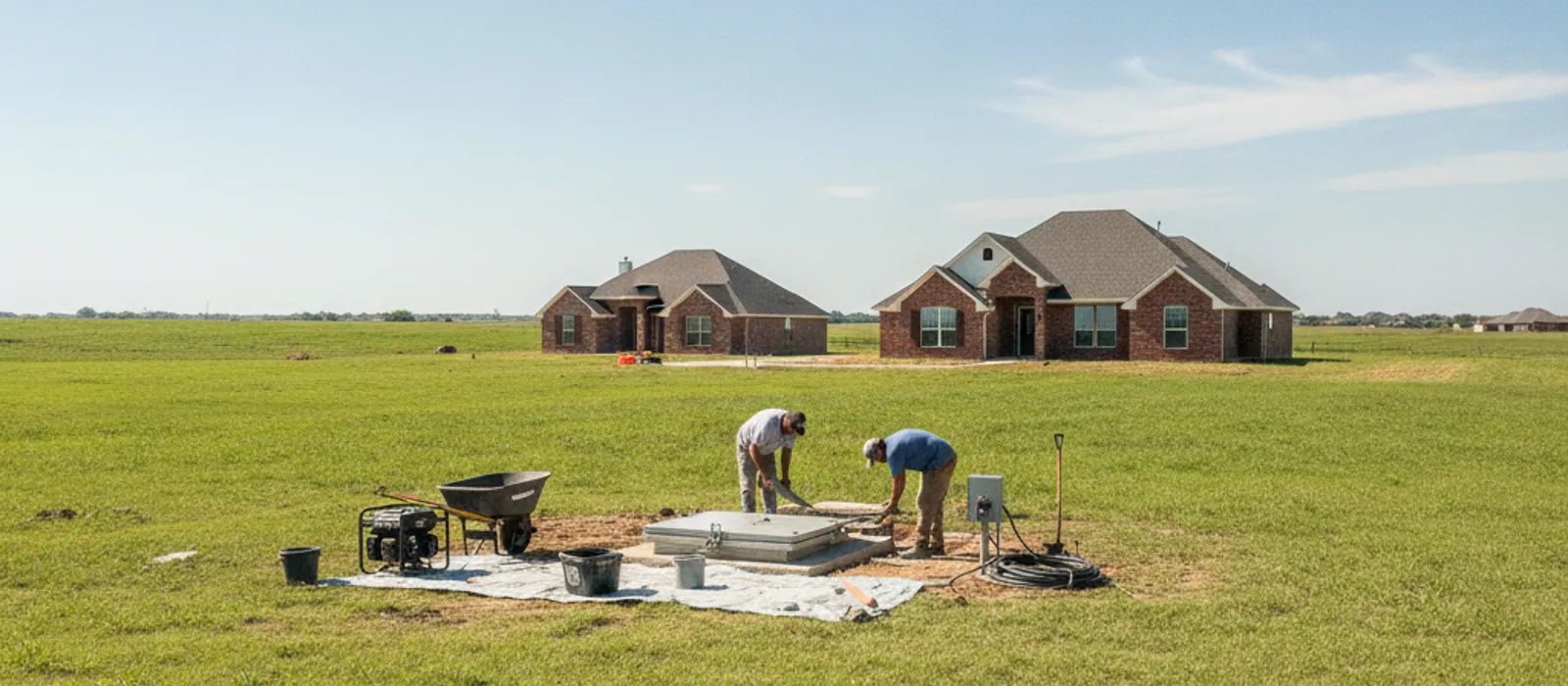
In North Texas, where severe thunderstorms and tornadoes can strike with little warning, a storm shelter isn’t just a convenience—it’s a critical investment in your family’s safety. The decision to install a storm shelter is significant, but equally important is selecting the right professional for the job. Hiring a storm shelter contractor requires careful consideration to ensure your shelter meets life-safety standards and provides the protection you expect.
This guide from Texoma Storm Shelters will walk you through the essential steps and criteria for choosing a reputable installer in Sherman, Texoma, and the surrounding North Texas counties of Grayson, Fannin, and Cooke. We’ll cover everything from vital safety standards to local rebate programs, empowering you to make an informed decision for true peace of mind.
The Critical Need for a Qualified Storm Shelter Installer in North Texas
The Texoma region, situated squarely in Tornado Alley, experiences some of the most intense and unpredictable severe weather in the country. From sudden hailstorms to devastating EF-4 and EF-5 tornadoes, residents face a constant threat that demands robust protection. A storm shelter provides that essential refuge, but only if it’s designed and installed correctly.
Professional installation isn’t just about digging a hole or bolting steel to concrete; it’s about adhering to stringent engineering and safety protocols. An unqualified installer might cut corners on anchoring systems, material strength, or proper ventilation, compromising the shelter’s ability to withstand extreme forces. This isn’t a project for DIY enthusiasts or general contractors without specialized expertise. Your life, and the lives of your loved ones, depend on your shelter performing flawlessly when it matters most.
Texoma Storm Shelters understands the unique soil conditions, weather patterns, and local building codes specific to our area. We are dedicated to providing shelters that meet or exceed all federal and local safety standards. For a free written estimate on a life-saving storm shelter installation, call us at (903) 884-7210 or visit our /#contact page.
Understanding FEMA P-320 and ICC 500 Standards: Your Foundation for Safety
When evaluating storm shelter options and installers, two key standards should be at the forefront of your inquiry: FEMA P-320 and ICC 500. These are not mere suggestions; they are comprehensive guidelines developed by experts to ensure a shelter can withstand the extreme forces of a tornado.
-
FEMA P-320: Taking Shelter from the Storm: Building a Safe Room for Your Home or Small Business This publication provides guidance for designing and constructing safe rooms that offer near-absolute protection in residential and small business settings. It details requirements for walls, ceilings, doors, and foundations to resist high winds and missile impacts. A shelter built to FEMA P-320 standards is engineered to protect occupants from debris traveling at tornado-force speeds. You can learn more about these guidelines on our blog at /blog/fema-p-320-storm-shelter-standards/.
-
ICC 500: Standard for the Design and Construction of Storm Shelters The International Code Council (ICC) 500 standard is a comprehensive building code specifically for storm shelters, applicable to both residential and commercial structures. It goes into greater detail on structural design, material specifications, and performance criteria, including missile impact resistance and pressure differentials. Meeting ICC 500 means a shelter has been rigorously designed to offer a very high level of protection. We cover these requirements in depth on our blog at /blog/icc-500-safe-room-requirements/.
A reputable hiring storm shelter contractor will not only be familiar with these standards but will also build shelters that demonstrably adhere to them. Ask for documentation, engineering stamps, or third-party certifications that confirm compliance. Don’t settle for “built to code” without understanding which code, and how it’s verified. You can find more information directly from the source at FEMA.gov.
What to Look for When Hiring a Storm Shelter Contractor: Key Credentials and Experience
Choosing the right installer goes beyond just finding someone with a shovel. You need a life-safety expert. Here are the critical factors to evaluate when hiring a storm shelter contractor:
Licensing and Insurance
This is non-negotiable. A legitimate storm shelter installer should be licensed to operate in Texas and carry comprehensive insurance. This includes general liability insurance, which protects you from property damage during installation, and workers’ compensation insurance, which covers their employees in case of injury on your property. Request proof of both. Uninsured contractors put you at significant financial risk.
Permitting and Local Code Compliance
Storm shelter installation often requires permits from your local city or county building department. A professional installer will handle this process for you, ensuring that your shelter meets all local zoning laws and building codes. For example, in Grayson County, specific regulations might apply regarding placement and construction. An experienced contractor knows these nuances. Learn more about the permitting process on our blog at /blog/storm-shelter-permits-texas/.
Specialized Experience and Focus
While many contractors can pour concrete or perform excavation, storm shelter installation is a specialized field. Look for a company whose primary business is storm shelters and safe rooms. They will have the specific knowledge of materials, anchoring systems, ventilation requirements, and safety standards that a general contractor might lack. Ask about their experience with various types of shelters, such as /above-ground-safe-rooms/, /underground-storm-shelters/, and /garage-floor-shelters/.
Transparent Communication and Written Estimates
A reputable installer will offer a free, detailed, written estimate that clearly outlines all costs, including materials, labor, permits, and any site preparation. They should explain the installation process, timelines, and what to expect from start to finish. Avoid contractors who provide vague quotes or pressure you into quick decisions without a formal agreement. Texoma Storm Shelters provides transparent pricing and free written estimates for every project.
Reputation and References
While we do not invent testimonials, you should always inquire about a contractor’s reputation. Look for signs of professionalism and reliability. A good contractor should be willing to provide references from past clients upon request, allowing you to speak directly with homeowners about their experience.
Post-Installation Support and Warranty
What happens after the shelter is installed? A reliable contractor will offer a warranty on their work and the shelter itself. They should also provide clear instructions on how to use and maintain your shelter, ensuring its longevity and effectiveness. Ask about emergency lines for severe weather or installation issues.
Navigating Storm Shelter Costs and Rebates with Your Installer
Understanding the financial aspect is a key part of hiring a storm shelter contractor. Costs can vary significantly based on several factors, and a good installer will help you navigate these, including potential rebate opportunities.
Factors Influencing Cost
- Shelter Type: Underground shelters, above-ground safe rooms, and garage floor shelters each have different material and installation complexities.
- Size and Capacity: Larger shelters designed for more occupants will naturally cost more.
- Materials: Steel, concrete, and composite materials come with different price points and durability ratings.
- Site-Specific Challenges: Unique soil conditions, bedrock, utility lines, or difficult access to your property can increase installation costs.
- Features: Add-ons like specialized seating, lighting, ventilation systems, or custom finishes will affect the final price.
A reputable installer will provide a comprehensive breakdown, ensuring there are no hidden fees. Our /storm-shelter-cost/ page offers more insights into pricing.
Local Rebate Programs
Many communities in North Texas, including Grayson County, Fannin County, and Cooke County, periodically offer storm shelter rebate programs to help homeowners offset installation costs. These programs can provide significant savings, often up to a certain dollar amount or percentage of the total cost.
A knowledgeable installer will be familiar with these local programs and can guide you through the application process, ensuring you meet all eligibility requirements. Texoma Storm Shelters actively helps clients identify and apply for available rebates, like the Grayson County Storm Shelter Rebate, to maximize their savings. You can find more details on our blog at /blog/grayson-county-storm-shelter-rebate/.
Here’s a general cost comparison to help you budget for different types of residential storm shelters:
| Shelter Type | Typical Cost Range | Installation Complexity | Key Benefits |
|---|---|---|---|
| Underground Steel Shelter | $4,400 - $8,200 | Moderate | Discreet, constant temperature, often lower cost |
| Above-Ground Safe Room | $6,100 - $12,500 | Moderate | Accessible, multi-purpose, can be in-home |
| Garage Floor Shelter | $4,100 - $7,800 | High | Out of sight, convenient access from home |
| Commercial Safe Room | $20,000 - $100,000+ | Very High | Large capacity, custom design for businesses/schools |
Note: These are estimated ranges. Actual costs vary based on specific features, site conditions, and current material prices. Always request a free, written estimate for accurate pricing.
Local Case Studies: Texoma Storm Shelters in Action
At Texoma Storm Shelters, we believe in practical, real-world solutions. Here are a few examples of how we’ve helped families in North Texas secure their safety:
Case Study 1: Sherman Family’s Underground Shelter
After a close call with a powerful storm near Lake Texoma, a family in Sherman realized the immediate need for reliable protection. They wanted a discreet solution that wouldn’t impact their backyard aesthetics but would provide absolute safety. Texoma Storm Shelters installed an 8-person underground steel shelter in their backyard, strategically placed for easy, safe access. The total cost for this FEMA P-320 compliant installation was approximately $6,200. The family now has peace of mind, knowing they have a designated safe place during tornado warnings, just minutes from their back door. Learn more about options in your city on our /storm-shelters-sherman-tx/ page.
Case Study 2: Denison Homeowner’s Accessible Safe Room
A retired couple in Denison sought an accessible storm shelter within their home due to limited mobility, needing quick access during tornado warnings. They wanted a safe room that could also serve as a secure storage area. We designed and installed a custom 4x6 steel above-ground safe room inside their garage. This unit was securely anchored to the concrete slab, meeting stringent ICC 500 standards for missile impact and wind resistance. The installation cost for this accessible, multi-purpose safe room was around $8,500. The couple now enjoys the convenience of immediate shelter without having to venture outside, ensuring their safety and comfort during severe weather. Explore above-ground options at /above-ground-safe-rooms/.
Case Study 3: Van Alstyne New Build with Garage Floor Shelter & Rebate
A family building a new home in Van Alstyne wanted integrated storm protection from the outset and were keen to explore any available cost-saving programs. Texoma Storm Shelters coordinated with their home builder to install a garage floor storm shelter during the construction phase. This ensured seamless integration, making the shelter almost invisible when not in use. We also assisted the family in navigating the Grayson County Storm Shelter Rebate program, helping them successfully secure a $3,000 rebate on their installation. The total cost for the shelter was $5,500 before the rebate, making their final out-of-pocket expense significantly lower. They now have a safe, discreet shelter that complements their new home, with the added benefit of substantial savings. See more about garage floor options at /garage-floor-shelters/ and local information at /storm-shelters-van-alstyne-tx/.
The Installation Process: What a Reputable Storm Shelter Contractor Delivers
When hiring a storm shelter contractor, understanding their installation process is crucial. A professional, transparent approach ensures your shelter is built to last and provides maximum protection.
Comprehensive Site Assessment
Before any work begins, a reputable installer will conduct a thorough site assessment. This includes evaluating your property’s soil composition, identifying any underground utility lines (water, gas, electrical), and assessing accessibility for equipment. This step prevents unforeseen issues and ensures the shelter can be installed safely and effectively.
Permitting and Pre-Installation Checks
As mentioned, permits are often required. Your contractor should handle all necessary paperwork and coordinate with local authorities. They will also perform final checks, such as confirming measurements and material readiness, before breaking ground.
Foundation Preparation
For underground shelters, this involves precise excavation and proper ground preparation. For above-ground safe rooms, it means preparing and anchoring to a robust concrete slab. This foundational work is critical; it ensures the shelter remains securely in place against extreme uplift and shear forces.
Shelter Placement and Anchoring
This is arguably the most critical stage. The shelter unit is carefully placed and then anchored according to engineering specifications. Whether it’s heavy-duty bolts into a concrete slab for an above-ground unit or a comprehensive anchoring system for an underground shelter, these connections are designed to withstand direct tornado impacts. Our team follows strict protocols for all /underground-storm-shelters/ and safe rooms.
Finishing Touches and Clean-Up
Once the shelter is securely in place, the contractor will complete any necessary backfilling, concrete finishing, or cosmetic work. A professional team will ensure the work area is thoroughly cleaned, leaving your property tidy.
Post-Installation Walkthrough and Safety Instructions
A reputable installer will conduct a final walkthrough with you, explaining how to properly use and maintain your shelter. This includes demonstrating how to open and close the door, discussing ventilation, and providing guidance on emergency supplies.
Don’t wait for the next storm. Secure your family’s safety today. Contact Texoma Storm Shelters for a free, no-obligation estimate on your storm shelter project.
Making Your Final Decision: Trust and Local Expertise
Choosing a storm shelter is a decision rooted in safety and peace of mind. The process of hiring a storm shelter contractor should leave you feeling confident and reassured. As you finalize your decision, consider these points:
- Verified Standards: Did the contractor clearly demonstrate adherence to FEMA P-320 and ICC 500 standards? This is the bedrock of your shelter’s effectiveness.
- Transparent Processes: Were all costs, timelines, and installation steps clearly communicated in writing?
- Local Knowledge: Does the contractor understand the specific weather patterns, soil conditions, and permitting requirements of Sherman, Denison, Pottsboro, or wherever you are located in Texoma? This local expertise is invaluable.
- Professionalism: Did they answer all your questions thoroughly, without pressure or vague responses?
- Comprehensive Service: Do they offer support from initial estimate through installation and beyond, including guidance on rebates?
Texoma Storm Shelters is not just an installer; we are a life-safety expert for North Texas. We live and work in this community, and we are committed to providing our neighbors with the highest quality, most reliable storm shelters available. Our straightforward North Texas tone, practical advice, and transparent approach ensure you get exactly what you need to protect your family.
Ready to protect your home or business with a certified storm shelter? Call Texoma Storm Shelters at (903) 884-7210 or email info@texomatornadoshelters.com for expert guidance and a transparent quote.
Frequently Asked Questions
### How long does a typical storm shelter installation take?
For residential storm shelters, installation typically takes 1 to 3 days, depending on the type of shelter and site conditions. Underground shelters may require more time for excavation and concrete work, while an above-ground safe room might be completed faster if the concrete slab is already prepared. Your installer should provide a clear timeline in your written estimate.
### Do I need a permit for a storm shelter in Grayson County?
Yes, in Grayson County and most surrounding areas, a building permit is generally required for storm shelter installation. This ensures the shelter meets local safety and construction codes. A reputable installer like Texoma Storm Shelters will handle the permit application process on your behalf, coordinating with the appropriate local authorities.
### What’s the difference between a storm shelter and a safe room?
While often used interchangeably, “safe room” typically refers to an above-ground, reinforced room or structure, often integrated into a home or garage, designed to withstand tornado forces. A “storm shelter” can be either above-ground or underground. Both must meet stringent impact and wind load standards, such as FEMA P-320 or ICC 500, to provide near-absolute protection during severe weather events.
### How much does a storm shelter really cost in North Texas?
The cost of a residential storm shelter in North Texas can vary widely, typically ranging from $4,000 to $12,000 or more. Factors influencing this cost include the shelter type (underground, above-ground, garage floor), its size and capacity, the materials used, and any site-specific installation challenges. Texoma Storm Shelters offers free, written estimates to provide accurate pricing for your specific project.