
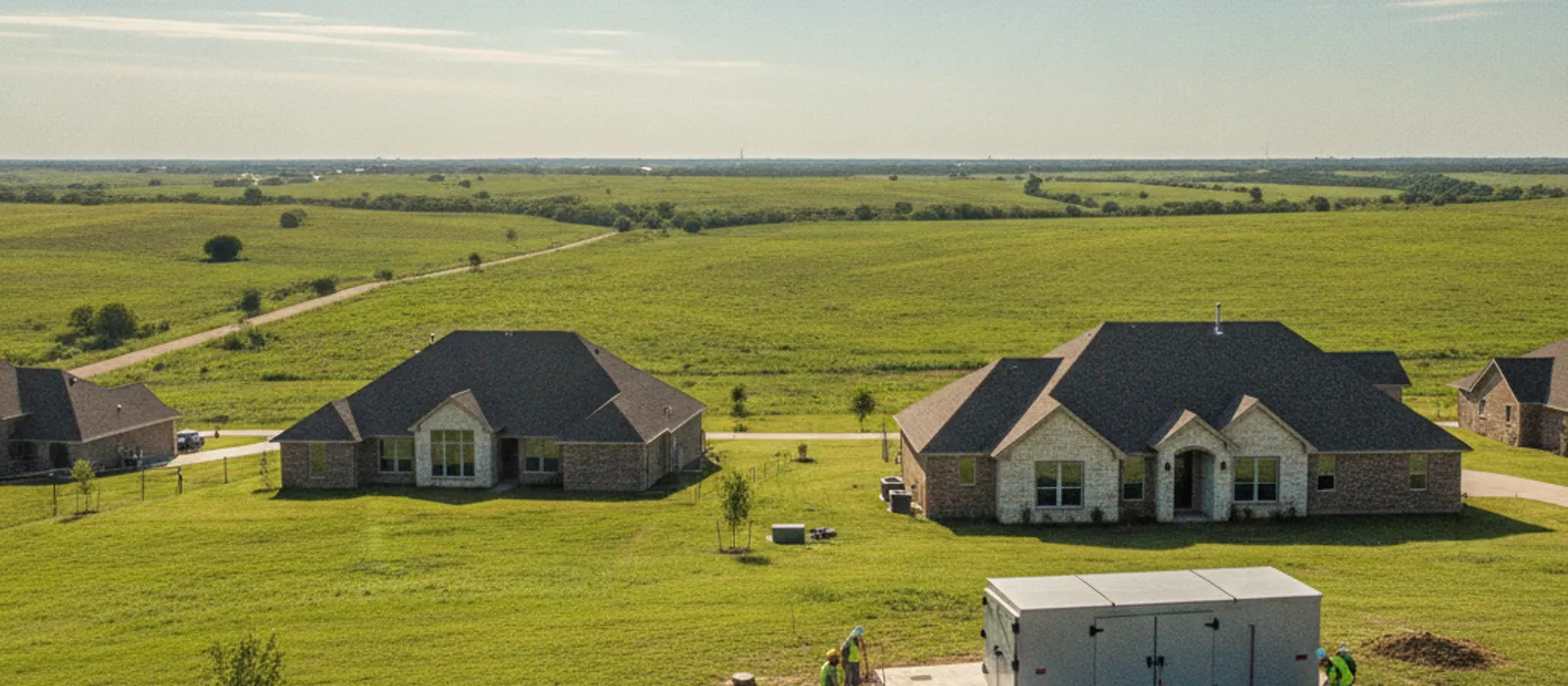
Fannin County, nestled in North Texas, faces a significant threat from severe weather, with residents often experiencing the sudden fury of tornadoes. In April 2024, a powerful EF-3 tornado tore through parts of the county, serving as a stark reminder of the unpredictable danger. Understanding and implementing robust Fannin County storm shelter guidelines is not just a recommendation; it is a critical life-safety measure for every homeowner and business.
At Texoma Storm Shelters, we provide authoritative guidance and expert installation for storm shelters and safe rooms designed to meet the highest safety standards. We ensure your protection aligns with FEMA P-320 and ICC-500 requirements, offering practical, reassuring solutions for your North Texas property.
Understanding Fannin County’s Tornado Risk and Why Shelter Matters
Fannin County’s location within “Tornado Alley” means it is highly susceptible to severe weather, including devastating tornadoes. The National Weather Service issues numerous tornado warnings for the region each year, emphasizing the constant threat. These storms can develop rapidly, leaving little time for preparation once a warning is issued.
A well-constructed storm shelter or safe room provides immediate, reliable protection when minutes count. It offers a designated space designed to withstand extreme wind forces and flying debris, far exceeding the safety provided by an interior closet or bathroom. For residents of Bonham, Honey Grove, Leonard, and other Fannin County communities, investing in a certified storm shelter is a proactive step toward safeguarding lives.
Essential Fannin County Storm Shelter Guidelines and Safety Standards
When considering a storm shelter in Fannin County, adherence to established safety standards is paramount. The two most critical references are FEMA P-320 and ICC-500. These guidelines ensure a shelter can withstand the forces of an EF-5 tornado, providing near-absolute protection.
FEMA P-320, “Taking Shelter from the Storm: Building a Safe Room Inside Your Home,” provides detailed construction plans and specifications for residential safe rooms. ICC-500, “Standard for the Design and Construction of Storm Shelters,” is a more comprehensive standard often referenced for both residential and commercial safe rooms. Both documents outline requirements for:
- Material Strength: Shelters must be built with materials capable of resisting extreme pressures and impacts from wind-borne debris. This often includes reinforced concrete or heavy-gauge steel.
- Anchoring Systems: Proper anchoring to a concrete slab or foundation is crucial to prevent the shelter from lifting or shifting during a storm. This is especially important for above-ground units.
- Impact Resistance: Doors, walls, and ceilings must be tested to withstand impacts from 15-pound 2x4 lumber traveling at 100 mph, simulating debris during a tornado.
- Ventilation: Adequate ventilation is necessary to ensure occupants can breathe safely for extended periods.
- Door and Latch Mechanisms: Doors must open inward or slide to prevent debris from blocking the exit, and latches must be heavy-duty and secure.
Meeting these Fannin County storm shelter guidelines ensures that your investment truly provides the safety you expect. Always ask your installer for proof of compliance with these standards. Our team is licensed and insured, guaranteeing installations that meet or exceed these critical benchmarks.
If you are ready to explore your options for a certified storm shelter, contact Texoma Storm Shelters today for a free written estimate at (903) 884-7210 or visit our contact page to learn more about safeguarding your family.
Types of Storm Shelters for Fannin County Homes
Choosing the right storm shelter involves considering your property, budget, and specific needs. Texoma Storm Shelters offers a range of options suitable for Fannin County homes and businesses:
Above-Ground Safe Rooms
Above-ground safe rooms are steel structures installed inside an existing building, such as a garage, workshop, or even a spare room. They bolt directly to the concrete slab, offering immediate access and often preferred by individuals with mobility concerns. These units are highly visible and can double as secure storage space. We offer robust above-ground safe rooms built to FEMA P-320 and ICC-500 standards.
Underground Storm Shelters
Underground storm shelters are installed below ground, typically in a backyard or open space. They offer excellent protection due to the earth’s insulating properties against wind and debris. Access is via a sloped stairway and a heavy-duty steel door. These are a popular choice for those with ample outdoor space and who prefer their shelter to be out of sight. Explore our underground storm shelters for discreet, powerful protection.
Garage Floor Shelters
Garage floor shelters are a type of underground shelter installed directly into your garage floor. They provide convenient access without sacrificing yard space. When not in use, a heavy-duty lid sits flush with the garage floor, allowing vehicles to park over it. This option is ideal for homeowners seeking a practical and accessible solution within their existing structure.
Commercial Storm Shelters
For businesses, schools, or community centers in Fannin County, commercial storm shelters are vital for protecting employees, customers, or students. These larger units are custom-designed to accommodate more people and adhere to strict commercial building codes in addition to FEMA and ICC standards. Our expertise extends to providing durable, code-compliant commercial storm shelters tailored to your organization’s specific needs.
Here is a comparison of common storm shelter types suitable for Fannin County:
| Shelter Type | Typical Cost Range | Capacity | Installation Time | Location | Pros | Cons |
|---|---|---|---|---|---|---|
| Above-Ground Safe Room | $6,000 - $12,000 | 4-16+ people | 1 day | Garage, interior | Easy access, secure storage, no water issues | Takes up floor space, visible |
| Underground Shelter | $5,500 - $10,000 | 4-12+ people | 1-2 days | Backyard | Out of sight, excellent protection | Requires yard space, potential water issues |
| Garage Floor Shelter | $5,000 - $9,000 | 4-10 people | 1 day | Garage floor | Convenient, hidden, no yard space needed | Can be affected by vehicle parking |
| Commercial Shelter | $15,000 - $50,000+ | 20-200+ people | Days to weeks | Custom | High capacity, tailored solutions | Higher cost, complex installation |
Note: Costs are estimates and can vary based on size, features, and specific site conditions.
Navigating Fannin County Storm Shelter Installation and Permitting
Proper installation is as crucial as the shelter itself. A poorly installed shelter, even if certified, can fail under extreme conditions. While specific Fannin County storm shelter permits are generally handled at the county or city level, it is essential to be aware of local building codes. In Texas, many smaller counties and rural areas might not have specific storm shelter permitting requirements, but it is always best practice to check with your local Fannin County planning department or city hall, especially if you are in an incorporated area like Bonham, Honey Grove, or Leonard.
Our installation process ensures your shelter meets all structural and safety requirements. This includes:
- Site Assessment: Evaluating the chosen location for soil type, drainage, and utility lines.
- Foundation Preparation: For above-ground units, ensuring the concrete slab is adequate for anchoring. For underground units, proper excavation and foundation setting.
- Anchoring: Utilizing specific anchor bolts and techniques to secure the shelter firmly to the ground or foundation, preventing it from being dislodged.
- Compliance Check: Verifying that the finished installation adheres to FEMA P-320 and ICC-500 standards.
We manage the entire installation process with precision and transparency. For example, a family in Bonham recently sought a reliable solution after a tornado warning prompted them to shelter in their bathtub. Our team installed a 6-person garage floor shelter, complete with a flush-mount lid, for $6,200. The installation was completed in less than a day, giving them peace of mind and immediate access to safety. Our emergency line is also available for severe weather events and urgent installation needs, ensuring you can reach us when it matters most.
Cost, Rebates, and Financing for Fannin County Storm Shelters
The cost of a storm shelter is an investment in safety, varying based on type, size, and features. While there are no specific Fannin County storm shelter rebates directly from the county at this time, residents often qualify for federal programs or rebates offered by other entities. For instance, the Texas Division of Emergency Management (TDEM) frequently participates in FEMA’s Hazard Mitigation Grant Program (HMGP) which can offer substantial financial assistance for eligible homeowners.
It is crucial to stay informed about these opportunities. We can guide you on how to research and apply for potential rebates, such as those sometimes available through the Grayson County Storm Shelter Rebate Program, which can offer insights into similar statewide or regional initiatives. Understanding these options can significantly reduce your out-of-pocket expenses.
Typical costs for residential shelters range from $5,000 to $12,000. This includes the unit itself and professional installation. Commercial shelters, designed for larger capacities, will naturally have a higher price point. We believe in transparent pricing and offer free written estimates, so you know exactly what to expect.
We recently assisted a homeowner in Honey Grove who qualified for a $3,000 federal rebate, bringing down the final cost of their 8-person above-ground safe room from $9,500 to $6,500. This made a significant difference in their ability to afford a life-saving upgrade. We can help you understand the total storm shelter cost and navigate available funding options. For detailed guidance on maximizing your savings, refer to our blog post on storm shelter rebate application tips.
Preparing and Maintaining Your Fannin County Storm Shelter
Having a storm shelter is only part of the preparedness equation. Regular maintenance and a well-stocked emergency kit are vital components of your safety plan.
Essential Storm Shelter Emergency Kit
Your emergency kit should be ready at all times and stored within or immediately adjacent to your shelter. Key items include:
- Water: At least one gallon per person per day for 3 days.
- Non-perishable food: Energy bars, dried fruit, canned goods (with a manual can opener).
- First-aid kit: Bandages, antiseptic wipes, pain relievers, any prescription medications.
- Flashlights and extra batteries: Multiple sources of light.
- Battery-powered or hand-crank radio: For weather updates.
- Whistle: To signal for help.
- Chargers and power bank: For mobile phones.
- Comfort items: Blankets, pillows, books or games for children.
- Pet supplies: Food, water, leash, carrier if applicable.
For a comprehensive guide, check out our article on emergency kit essentials for your storm shelter.
Regular Maintenance and Practice
Even the most robust shelter requires occasional checks. We recommend:
- Door and Latch Inspection: Ensure the door opens and closes smoothly, and the latch mechanism operates correctly.
- Ventilation Check: Clear any debris from vents to ensure proper airflow.
- Interior Cleanliness: Keep the shelter clean and free of clutter.
- Water Intrusion: For underground shelters, check for any signs of water leakage, especially after heavy rains.
- Emergency Kit Review: Rotate food and water supplies annually, check battery expiration dates.
Regular practice drills, especially with children, help everyone know what to do and where to go during a tornado warning. This familiarization reduces panic and ensures a swift, orderly transition to safety. A commercial client in Leonard, for example, invested in two 10-person above-ground safe rooms for their facility, costing $4,500 each. They conduct quarterly drills and scheduled annual maintenance with our team, ensuring their employees are always prepared. You can find more detailed advice in our storm shelter maintenance tips blog post.
Protecting your property and loved ones in Fannin County requires proactive planning and adherence to the best Fannin County storm shelter guidelines. Texoma Storm Shelters is your trusted partner for expert installation, transparent advice, and peace of mind. We are committed to providing the highest quality life-safety solutions, ensuring your family or business is prepared for whatever North Texas weather brings.
Frequently Asked Questions
### What are the primary safety standards for storm shelters in Fannin County?
The primary safety standards for storm shelters in Fannin County, and across Texas, are outlined by FEMA P-320 and ICC-500. These standards dictate requirements for material strength, anchoring, impact resistance, and ventilation to ensure a shelter can withstand the forces of an EF-5 tornado and provide near-absolute protection. Always verify that your chosen shelter meets these critical benchmarks.
### Do I need a permit to install a storm shelter in Fannin County?
Permit requirements for storm shelter installation in Fannin County can vary depending on your specific location within the county, especially if you are in an incorporated city like Bonham or Honey Grove. While many rural areas in Texas might not have specific storm shelter permits, it is always advisable to check with your local city or county planning department before installation to ensure compliance with any local building codes or ordinances. Texoma Storm Shelters can help guide you through this process.
### How much does a typical storm shelter cost in Fannin County?
The cost of a storm shelter in Fannin County generally ranges from $5,000 to $12,000 for residential units, including professional installation. Factors like the type of shelter (above-ground, underground, garage floor), its size, and specific features will influence the final price. Commercial shelters, designed for larger capacities, will have higher costs. We offer free written estimates to provide clear, upfront pricing for your specific needs.
### Are there any rebates or financial assistance programs for storm shelters in Fannin County?
While Fannin County itself may not offer specific local storm shelter rebates, residents can often qualify for state or federal programs. The Texas Division of Emergency Management (TDEM) frequently participates in FEMA’s Hazard Mitigation Grant Program (HMGP), which can provide significant financial assistance. It is recommended to research current grant cycles and eligibility requirements, and our team can offer guidance on exploring these potential funding opportunities.